
Shelter · Water · Fire · Navigation · Field Medicine
The Skills Aren't Optional Anymore. They Never Were.
Survival isn't a personality type. It's a skill set. And skill sets are learnable — one practical, transferable competence at a time.
Learn From the Experts: Essential Survival Video Training
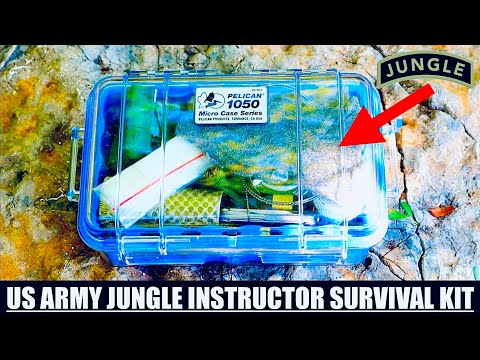
Ranger Survival and Field Craft
US Army Ranger Training
Essential Survival Skills
Expert Wilderness Training
Advanced Survival Techniques
Field Survival Training
Emergency Survival Methods
Survival Expertise
Six Core Skills That Change Everything in an Emergency
Build Fire in Any Condition
A lighter works until it gets wet. A ferro rod works until your hands are shaking. Knowing multiple ignition methods across changing conditions is the difference between warmth and crisis.
Tap to learn more ↗
Find and Purify Water
Mild dehydration impairs decision-making before you feel thirsty. In a survival situation that is the worst possible time to lose judgment. Water is always the first priority.
Tap to learn more ↗
Build Emergency Shelter
Hypothermia develops at 50°F with wind and wet clothing. Body temperature is always the first survival priority — before food, before water, before signaling for rescue.
Tap to learn more ↗
Navigate Without Technology
The sun, stars, and terrain features all carry directional information that works in any condition without batteries or signal. Natural navigation is the skill that works when everything else fails.
Tap to learn more ↗
Wilderness First Aid Basics
The most common wilderness injuries are manageable with basic knowledge. Clean wounds, stabilize fractures, recognize shock. These skills are learnable in an afternoon and invaluable when help is hours away.
Tap to learn more ↗
Signal for Rescue
Survival isn't about staying lost — it's about staying alive long enough to be found. Signal mirrors, whistle protocols, and ground-to-air markers are skills that directly improve rescue odds.
Tap to learn more ↗
Something shifted. Hard to say exactly when. But somewhere between the convenience of everything and the fragility of everything, a lot of people started asking a question they hadn't asked before. What would I actually do?
Not in a paranoid way. In a practical one.
What Survival Actually Means
Forget the television version. The dramatic last-stand scenarios. The contestants eating insects and building fires with two sticks while cameras roll. That's entertainment wearing survival's clothes.
Real survival knowledge is quieter than that. It's knowing which direction you're facing when the trail disappears. It's understanding what your body needs in the first hour of an emergency versus the first day. It's the difference between panic and a plan — and that difference is almost entirely a function of preparation, not personality.
Survival isn't reserved for ex-military or off-grid homesteaders or people who own a lot of tactical gear. It's a skill set. And skill sets are learnable. That's the whole premise here.
The gap between knowing nothing and knowing enough to dramatically improve your odds in an emergency is smaller than most people think. Most survival skills take an afternoon to learn and a lifetime to refine.
Why This Knowledge Matters Right Now
Power grids fail. Wildfires move faster than evacuation orders. Floods don't wait for convenient timing. The gap between a manageable situation and a dangerous one is often measured in nothing more than whether someone in the group knew what to do in the first fifteen minutes.
And most people don't. Not because they're incapable. Because nobody taught them. Because modern life is specifically engineered to make self-reliance feel unnecessary right up until the moment it becomes urgently necessary.
Seventy-one percent of Americans live in areas with moderate to high natural disaster risk. Only forty-six percent have any kind of emergency plan. That gap — between the risk people face and the preparation they've done — is exactly the space this page exists to close.
Everything This Page Has to Offer
Shelter and warmth. The first priority in almost every survival situation isn't food or water. It's body temperature. Hypothermia is the most common cause of wilderness death and it doesn't require extreme cold to develop. This section covers emergency shelter construction, layering principles, fire starting across conditions, and the specific decisions that keep you warm when everything goes wrong.
Water sourcing and purification. You can survive three weeks without food. Three days without water — less in heat or physical exertion. Knowing how to find, collect, and purify water from natural sources is not a niche skill. It is a fundamental one. We cover sourcing, filtration methods, chemical purification, solar disinfection, and the natural indicators that tell you where water is hiding.
Navigation without technology. GPS batteries die. Signals disappear. Cell coverage ends at the trailhead. Navigating by sun, stars, terrain features, and the behavior of water and wind is older than any tool ever invented to replace it — and it works every single time.
Fire. Not just the romance of a campfire. The functional reality of fire as warmth, water purification, signaling tool, cooking surface, and psychological anchor in high-stress situations. Friction fire, spark-based methods, wet-conditions fire starting, and fuel selection across different environments.
Food in the field. This is about caloric strategy during an emergency. How long you can realistically go without food and how your judgment degrades before you feel hungry. Trapping basics. Fishing with improvised gear. The caloric math of wilderness survival that most people dramatically miscalculate.
First aid and wilderness medicine. What to do when professional help is hours away. Wound management, fracture stabilization, blister prevention and treatment, allergic reaction response, and the psychological management of injury in the field.
Signaling and rescue. Survival isn't about staying lost. It's about staying alive long enough to be found. Signal mirrors, whistle protocols, ground-to-air signals, and the decision framework for whether to stay put or move — one of the most consequential choices a person in trouble can make.
The Mindset Nobody Talks About
There's a component to survival that doesn't appear in any gear list and can't be bought anywhere. It's the ability to stay functional under stress. To think clearly when your brain is screaming at you to panic. To make decisions with incomplete information and commit to them.
Research on survival psychology consistently shows that the people who survive prolonged emergencies are not always the strongest or the most physically prepared. They're the ones who find a task to focus on. Who maintain routine. Who manage their own emotional state the way you'd manage a resource — carefully, deliberately, without waste.
You can practice that before you need it. Reading about it is actually a decent start.
The Philosophy Here
Xcapeworld isn't building preppers. That's not the goal and it's not the audience. The goal is competence. Quiet, practical, transferable competence. The kind that makes you the most useful person in a bad situation rather than one of the people waiting for someone else to know what to do.
Most survival skills take an afternoon to learn and a lifetime to refine. The gap between knowing nothing and knowing enough to dramatically improve your odds in an emergency is smaller than most people think. That gap is what this page is designed to close. One skill at a time. No drama required.
Survival skills are not reserved for extreme situations or extreme people. They are practical, learnable competencies that make you more capable, more confident, and more useful in any unexpected situation — from a wilderness emergency to a regional disaster.
Whether you're starting from zero or building on existing knowledge, the skills on this page are the foundation every prepared person shares. Start anywhere. Go as deep as the situation demands.


.png)
.png)